

Before we dive into the details, this guide gives you a clear, step by step way to decide whether a crypto payment gateway australia setup makes sense for your business, starting with market context and regulation, then moving through gateway models, compliance checklists, integration options and a practical rollout plan you can actually use.
Contents
- 1 1. Why Australian Merchants Are Exploring Crypto Payment Gateway Australia Solutions
- 2 2. What Is A Crypto Payment Gateway Australia Solution
- 3 3. Regulatory And Tax Basics For Using A Crypto Payment Gateway In Australia
- 4 4. Core Use Cases For Crypto Payment Gateway Australia Merchants
- 5 5. Comparing Crypto Payment Gateway Australia Models
- 6 6. Compliance Checklist For Any Crypto Payment Gateway Australia Deployment
- 7 7. How Crypto Payment Gateway Australia Integrations Actually Work
- 8 8. Selecting The Right Crypto Payment Gateway Partner In Australia
- 9 9. Implementation Roadmap For A Crypto Payment Gateway Australia Pilot
- 10 10. Risk Management, Fraud Controls And Customer Protection
- 11 FAQs – Crypto Payment Gateway Australia
- 12 Conclusion And Editorial View For Crypto Payment Gateway Australia
1. Why Australian Merchants Are Exploring Crypto Payment Gateway Australia Solutions
Australian merchants are being pushed to move money faster, sell globally and keep fees under control while rules get tighter. In that environment, a compliance first crypto payment setup in Australia
setup is becoming a practical option to test, not just a buzzword to ignore.
1. Crypto adoption and merchant demand in Australia
Demand rarely arrives as a big bang. It starts with a few overseas buyers asking to pay in stablecoins, a Web3 client expecting crypto at checkout, or a high value customer wanting to send BTC instead of a slow bank transfer. Volumes may still be small, but they often come from exactly the kind of loyal, high margin customers businesses want to keep.
2. Business benefits and real world pain points crypto can solve
Most interest comes from simple pain points: expensive card fees on some routes, delayed cross border transfers, or fragile bank relationships in certain markets. A well designed crypto payment gateway australia solution can reduce friction for these payments, give faster settlement from abroad and turn volatile assets into predictable AUD flows when stablecoins are converted quickly. It is not a magic fix, but it can smooth edges where traditional rails struggle.
3. Why a structured guide matters more than hype for Australian merchants
Public debate around crypto swings between hype and fear, which is not helpful for serious operators. A structured crypto payment gateway australia guide lets teams map use cases, check them against AUSTRAC and ATO expectations, and then decide calmly whether to run a small pilot or walk away. The value is not “doing crypto at all costs”, but making an informed decision that fits the business, its risk appetite and its regulators.

2. What Is A Crypto Payment Gateway Australia Solution
At a simple level, a crypto payment gateway australia setup is a bridge between your customer’s wallet and your existing payment stack. It lets buyers pay in digital assets while you still run your books and reporting in AUD.
1. Simple definition for Australia based businesses
For an Australian merchant, a regulated crypto payment gateway for Australian businesses service allows customers to pay in supported coins or tokens, then turns that into value you can reconcile and usually settle in Australian dollars. The customer sees a normal checkout with a crypto option, while the gateway handles addresses, confirmations and pricing in the background.
2. From checkout to AUD settlement in a few clear steps
The flow is straightforward: the buyer picks crypto, the gateway shows an address or QR code, detects the on chain payment, then converts or passes it through according to your settings. On your side, you see a clean record tied to an order or invoice and a settlement entry your finance team can follow.
3. How gateways differ from exchanges and wallets
Exchanges focus on trading, wallets on storing keys. A crypto payment gateway australia solution is built specifically for collecting payments in a structured, repeatable way that fits invoices, refunds and compliance. It turns what could be a messy direct wallet payment into something your bank, accountant and regulator can live with.

3. Regulatory And Tax Basics For Using A Crypto Payment Gateway In Australia
Before you go live, you need a simple map of how Australian rules see a crypto payment gateway australia structure. You do not have to be a lawyer, but you do need enough clarity to choose the right partner and keep AUSTRAC, the ATO and your bank comfortable.
1. AUSTRAC, AML CTF and digital currency exchange obligations
If you are only a merchant using a crypto payment gateway australia provider, most KYC and AML work should sit with the gateway and its banking partners. Risk rises if you start holding client funds, swapping assets or running your own wallets, because you move closer to digital currency exchange style obligations. Always check how your provider is registered and ask for a plain language summary of their AML CTF program.
2. How ATO views crypto payments, GST and business income
For the ATO, crypto used for payment is usually treated as an asset, not legal tender. When sales flow through a bank friendly crypto payment solution in Australia solution and settle in AUD, you still report normal business income, apply GST where relevant and keep records for invoices, settlement and fees. If you keep some crypto on your books instead of converting everything to AUD, agree with your accountant in advance how gains, losses and valuations will be handled.
3. Bank risk, sanctions and why compliant partners matter
Banks care about clarity and narrative. They want to see that flows from your crypto payment gateway australia setup are screened for sanctions, monitored for fraud and easy to explain in an internal review. Choosing a gateway with transparent onboarding, screening and settlement makes bank conversations far easier and reduces the chance of sudden questions about unexplained crypto related deposits.

4. Core Use Cases For Crypto Payment Gateway Australia Merchants
Not every business needs crypto, but for some segments a crypto payment gateway australia setup solves very specific problems: slow cross border payments, high fees and customers who already live in digital assets.
1. Cross border ecommerce and digital services
Online stores and digital service providers that sell overseas often hit card declines, FX fees and slow bank transfers. A crypto payment gateway australia integration gives those customers another rail. They pay from their wallet in major coins or stablecoins, the gateway confirms on chain and you see a faster, cleaner settlement in AUD tied to the order or invoice.
2. B2B SaaS, agencies and exporters with larger invoices
For B2B SaaS, agencies and exporters, the pain is collecting big invoices from tricky markets. With a AUSTRAC aware crypto payment provider in Australia solution, selected clients can pay in stablecoins while you still invoice and book revenue in AUD. The gateway handles conversion and basic reconciliation so your finance team sees familiar records instead of raw wallet addresses.
3. Web3, gaming and innovation driven platforms
Web3 platforms and games already attract users who hold crypto by default. Here, a crypto payment gateway australia setup acts as a bridge between on chain activity and off chain revenue. Product teams can focus on wallets and gameplay, while the gateway collects certain payments, converts what should land in AUD and leaves a clear trail for audit and regulators.

5. Comparing Crypto Payment Gateway Australia Models
Once you know why you want crypto, the next step is choosing the right crypto payment gateway australia model. The goal is simple: match the tool to your team, your risk appetite and your customers, instead of picking whatever looks most exciting on paper.
1. Direct on chain processors vs full service fiat settled gateways
Direct on chain processors generate addresses, watch the blockchain and pass funds through with minimal extras. They suit crypto native teams that are happy to handle conversion, tax and reporting internally. Full service fiat settled gateways behave more like traditional payment providers: they price the payment, convert to AUD, help with reconciliation and give finance teams dashboards they recognise. For most merchants starting with a crypto payment gateway australia setup, full service is usually the easier and safer first step.
2. Domestic focused providers vs global gateways with Australian coverage
Australia first providers design their products around local rules, AUD settlement and Australian support hours. Global gateways cover many regions and often support more assets, but their reports may need extra work to fit ATO and AUSTRAC expectations. If your customer base is mostly local, a domestic focused tax ready crypto checkout for Australian merchants partner can reduce friction with banks and advisers. If you sell heavily worldwide, a global player with solid Australian coverage may make more sense.
3. When to build in house and when to partner
Building your own stack is only realistic for regulated fintechs or large platforms with strong compliance and engineering teams. Most merchants are better off partnering with a specialist and treating the crypto payment gateway australia layer like any other critical vendor. You can always revisit the build question later, once you have data, capital and a clear strategic reason to own the infrastructure.

Table 1 – High Level Comparison Of Crypto Payment Gateway Australia Options
| Model | Typical users | Strengths | Weaknesses | Compliance complexity |
|---|---|---|---|---|
| Direct on chain processor | Crypto native teams with in house skills | Low platform fees, high flexibility | More manual work on tax, reporting and treasury | Higher for merchant, more to design yourself |
| Full service fiat settled gateway | Mainstream merchants and SaaS platforms | AUD focused settlement, clearer reporting, bank friendly | Less control over routing and conversion | Mostly on gateway, lighter for merchant |
| Domestic Australia first provider | Local brands prioritising AU rules and banks | Strong alignment with AUSTRAC and ATO expectations | May support fewer exotic assets or regions | Designed around crypto payment gateway australia needs |
| Global gateway with Australian coverage | Exporters and platforms selling heavily overseas | Wide asset support, global reach | Reports less tailored to Australian tax and banking | Shared between global policies and local advice |
| In house built gateway and infrastructure | Regulated fintechs and large platforms | Maximum control, deep integration | High cost, long build, heavy regulatory exposure | Highest, close to digital currency exchange role |
6. Compliance Checklist For Any Crypto Payment Gateway Australia Deployment
Tech is only half the story. What keeps a crypto payment gateway australia rollout safe is clear ownership of AML, tax and documentation, so banks and regulators see a controlled setup instead of an experiment.
1. AML CTF program, KYC and transaction monitoring
Confirm who actually does KYC, screens wallets and files reports – you or the gateway. Get a short written summary of your provider’s AML CTF framework and note your own rules on who can pay with crypto, what limits apply and how you escalate red flags. That way, if AUSTRAC or a bank asks, you can show more than “we trust our vendor”.
2. Tax, GST and accounting hygiene
Loop in your accountant early. Decide how invoices are issued, how AUD and crypto settlements are posted, and how fees or gains and losses are handled if you keep any assets. Run a small “fake month” of sample transactions on paper to see whether your Australian crypto payment setup makes sense in the ledger before real money flows through it.
3. Documentation and audit trail
Pull everything into a simple pack: one page describing your crypto payment flow, proof of your partner’s registrations, and short internal notes on AML, tax and incident response. A serious Australian crypto gateway provider will help you assemble this story so you can answer basic questions from banks and stakeholders in minutes, not weeks.
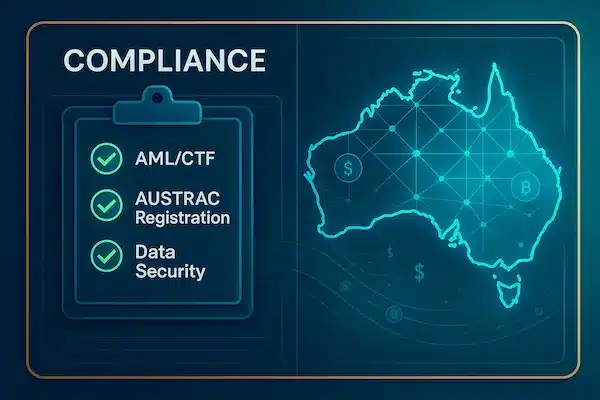
Table 2 – Compliance Checklist For Crypto Payment Gateway Australia Setups
| Area | Key question | Owner | Evidence to keep | Review cycle |
|---|---|---|---|---|
| AML CTF | Who does KYC and monitors risk | Risk / compliance | Provider summary, internal memo, escalation steps | At least yearly |
| Sanctions | How are wallets and flows screened | Provider + risk | Screening policy, sample reports, contract clauses | Quarterly |
| Tax and GST | How are crypto payments reported to the ATO | Finance + accountant | Accounting policy, sample entries, invoice templates | Before year end |
| Accounting | How are invoices, fees and FX handled | Finance | Chart of accounts, recon checklist | Monthly |
| Bank relationship | Can we explain flows clearly to our bank | CFO / founder | One page overview, partner details, risk summary | Before and after go live |
| Incident response | What happens if something goes wrong | Risk + operations | Incident playbook, contact list, sample scenarios | Once or twice a year |
7. How Crypto Payment Gateway Australia Integrations Actually Work
Underneath the buzzwords, a crypto payment gateway australia setup still follows a familiar pattern: quote the amount, receive payment, confirm it, settle, then reconcile in your systems. The difference is that part of the journey runs on chain before it turns into AUD on your books.
1. On chain payments, stablecoins and off ramp flows
At checkout, the customer chooses crypto, the gateway creates a payment request and shows an address or QR code. It then watches the relevant network, confirms the transaction and either holds the asset briefly or sends it through an off ramp. Most Australian merchants lean on stablecoins so the value between quote and confirmation stays close to what was agreed.
2. Settlement models – instant, delayed or mixed
You decide how fast those funds become dollars. Some businesses use their crypto payment gateway australia integration to auto convert every payment to AUD in near real time. Others batch conversions daily or weekly, or keep a small slice in crypto as treasury. Whatever model you pick needs to be written into policy and understood by finance, not just by developers.
3. Integration patterns – plugins, APIs and point of sale
Technically, you will usually plug in through an ecommerce plugin, a direct API call from a custom checkout, or a lightweight point of sale app. Plugins are fastest, APIs are most flexible and POS is ideal for events or in person pilots. The critical part is clean mapping between orders, payment IDs and settlements so the new rail drops into your ERP and reports without special handling.
8. Selecting The Right Crypto Payment Gateway Partner In Australia
The success of any crypto payment gateway australia rollout depends heavily on the partner you choose. You want someone who looks like a serious financial vendor, not a short lived tool that disappears at the first sign of regulatory pressure.
1. Must have licensing and risk signals
Start by checking the company behind the gateway. Look for clear legal entities, AU presence, terms, privacy policies and real names behind the brand. A credible crypto payment provider in Australia should be able to explain, in plain English, how they handle AML, sanctions, fraud and which types of merchants they decline. If that story is vague, treat it as a warning sign.
2. Technical and product fit for your stack
Next, make sure the product fits your real world needs. Your crypto payment gateway australia partner should support the assets your customers actually use, settle cleanly in AUD and offer integrations your team can implement without a massive project. Sit finance in front of the dashboard and ask them to trace a payment from checkout to settlement. If they cannot do it without help, the fit is not right.
3. Support, roadmap and ability to adapt
Finally, think beyond go live. Check support coverage in Australian time zones, how past incidents were handled and how often the product is updated. A strong partner can explain how their roadmap follows regulatory and bank expectations, not just new features. In a shifting environment, that calm, adaptive posture is worth more than one extra coin or integration.
9. Implementation Roadmap For A Crypto Payment Gateway Australia Pilot
A disciplined rollout keeps your crypto payment gateway australia project from turning into a risky side experiment. Think in stages so you can test, learn and either scale or shut down the channel on purpose.
1. Align on risk, use cases and approved assets
Begin with alignment, not code. Bring finance, legal, product and operations into one room. Agree why you are adding crypto at all, which customer segments it is for and which coins or stablecoins you will support. Capture this in a short policy that also lists blocked countries or industries and sets basic limits on volume and exposure.
2. Sandbox testing, reconciliation and dry runs
Once the rules are clear, connect your crypto payment gateway australia integration in a sandbox or low stakes environment. Run test transactions end to end, then ask finance to reconcile them as if they were real. Check that order IDs, payment references and settlement lines all match. Adjust your settings, templates and internal procedures until the flow feels boringly predictable.
3. Narrow pilot, review, then decide
When tests are clean, launch a narrow pilot for a defined period and group of customers. Track simple metrics: how many people use the option, how fast funds settle, how many support tickets appear and whether your bank raises any questions. At the end of the pilot, review the data with all stakeholders and either expand the channel, adjust it or shut it down with a clear record of what you learned.
10. Risk Management, Fraud Controls And Customer Protection
Regulators and customers will judge your crypto payment gateway australia setup on one simple question: does this rail feel at least as safe as your existing ones. That means baking risk controls into pricing, asset selection, dispute handling and user experience.
1. Volatility, slippage and stablecoin settings
Limit yourself to a small list of major stablecoins and perhaps one or two large cap coins. Define how quotes are generated, how long they stay valid and what happens if a delayed payment arrives. If you hold any assets, even briefly, set caps on exposure, define which wallets are used and agree how often balances are swept back into AUD so market risk never becomes a headline issue.
2. Fraud patterns, disputes and “chargeback like” rules
On chain transfers are hard to reverse, but you still need a dispute framework. Decide which problems you will treat like card disputes and when you will offer refunds or credits through your crypto payment solution. Give support staff clear red flags and a simple escalation path, so suspicious behaviour is handled quickly instead of buried in email threads.
3. Customer education and UX for safer crypto payments
Use your interface to keep people safe. At checkout, explain that blockchain payments are difficult to undo, remind users to check the amount and network, and link to a short help page in plain language. A well designed crypto payment gateway australia flow makes the steps easy to follow and makes it obvious how to get help if something feels wrong, reducing complaints and building trust in the new option.
FAQs – Crypto Payment Gateway Australia
1. Is it legal to use a crypto payment gateway in Australia
Yes, if you work with compliant providers and follow Australian law. The gateway and its partners must handle AML, sanctions and reporting, while you still meet normal business, tax and consumer rules.
2. Do Australian merchants pay tax on crypto payments
Yes. Sales are usually recorded in AUD like any other revenue, and GST may still apply. Crypto simply changes how money arrives, not your obligation to report income and keep records.
3. Do I need AUSTRAC registration if I only use a gateway
Most merchants do not, because they are using a third party service rather than running their own exchange. If you start holding client assets or swapping coins yourself, you need specialist legal advice.
4. Can I avoid holding crypto and only receive AUD
In many setups you can. A modern gateway can auto convert supported assets to dollars and settle into your bank, so your books and reports stay AUD only.
5. How do refunds and disputes work with crypto payments
On chain transfers are hard to reverse, but you can still issue refunds or credits from your own wallet or via the gateway. The key is having a clear written policy that staff and customers can follow.
6. What coins and tokens should I support
Most businesses start small, with one or two major stablecoins and maybe a large cap coin their customers already use. A shorter list is easier to explain to banks, auditors and support teams.
7. How will my bank react to crypto related flows
Banks mainly care about clarity and controls. If you can show who your provider is, how flows are screened and how everything lands as clean AUD, the conversation is much easier than if deposits look random.
8. How do I choose between multiple providers
Look past headline fees. Compare legal footprint, risk program, AUD settlement options, reporting quality, support in Australian hours and how well the product fits your tech stack and accounting needs.
Conclusion And Editorial View For Crypto Payment Gateway Australia
Crypto has moved past the experiment phase in Australia. Banks, regulators and accountants now treat it as another rail they need to understand, not a novelty. In that environment, a well planned crypto payment gateway australia setup is less about chasing hype and more about building one more, carefully controlled channel for revenue, especially from global and Web3 native customers.
Key takeaways for Australian merchants
- Treat this as a payments and risk project, not a side bet by one enthusiastic developer.
- Put compliance first: AUSTRAC, AML CTF controls, tax and clear accounting rules need to be in place before the first live transaction.
- Start small with stablecoins and a short asset list that your bank and advisers can understand.
- Work with a partner that has real legal footprint, clear documentation and reports your finance team can use without a spreadsheet rescue mission.
- Run a timed pilot, measure settlement speed, customer uptake and risk signals, then either scale or shut it down on purpose.
Strategic outlook and what to watch next
Over the next few years, rules around digital assets will keep tightening, not loosening. That does not kill the case for crypto payments, but it does reward merchants who can show exactly how money moves, who they work with and how risk is contained. Gateways that can adapt quickly to new obligations and bank expectations will survive. Those that treat compliance as a checkbox will slowly fall away. For merchants, the winning strategy is to stay curious, stay conservative and keep your setup simple enough that you can explain it on one page.
Quick Summary Table – Crypto Payment Gateway Action Plan For Australian Merchants
| Area | Key question for your business | Current status | One action in the next 30 days |
|---|---|---|---|
| Regulation & AML | Are our flows aligned with AUSTRAC and AML CTF expectations | Map customer journeys and check them against a compliant gateway | |
| Tax & accounting | Can our accountant handle crypto sourced revenue in AUD | Run sample transactions on paper and agree posting rules | |
| Gateway partner | Is our chosen provider transparent and bank friendly | Shortlist vendors, request risk summaries and review their reports | |
| Tech integration | Can we plug in without disrupting our main checkout | Test a plugin or API in sandbox and trace payments end to end | |
| Bank relationship | Can we explain this channel clearly to our relationship team | Prepare a one page overview and schedule a short exploratory call |
A smart next step is to turn this table into a live checklist with names and dates. That is where a focused partner like XaiGate can make the difference. Instead of stitching together raw wallets and ad hoc tools, you get a crypto payment gateway for Australian merchants that is built around compliance, stablecoin support and clean settlement into AUD, with reporting your finance team can actually use.
If you can see crypto demand in your pipeline but do not want to gamble with regulators or your bank, consider running a limited pilot with XaiGate. Start with a narrow use case, plug the gateway into your existing stack, and watch how real customers respond. After a month you will have hard data on conversion, settlement and risk, and you can decide whether to scale up, adjust or walk away. Either way, you move from guessing about crypto to making a clear, defensible decision that fits your business.
For daily updates, subscribe to XAIGATE’s blog!
We may also be found on GitHub, and X (@mxaigate)!