
As cryptocurrency payments become more widely adopted, transaction fees charged by payment gateways can significantly impact a business’s profit margins. In this article, XAIGATE will guide you on how to reduce crypto payment gateway fees effectively, from choosing the right payment gateway and optimizing transaction workflows to applying practical strategies that help lower costs while still ensuring security and convenience.
Contents
Why Are Crypto Payment Gateway Fees High?
Crypto payment gateways offer convenience for sending and receiving digital assets, but they often come with higher fees than traditional payment methods. Understanding the reasons behind these costs can help you build a more effective strategy to reduce crypto payment gateway fees. Some of the main reasons include:
- Blockchain transaction fees: Every transaction on a blockchain requires a network fee, especially on networks like Bitcoin or Ethereum during periods of high congestion.
- Gateway service fees: Crypto payment gateways usually charge processing fees to maintain their infrastructure, manage transactions, and ensure system reliability.
- Security features and added services: Services such as KYC verification, transaction protection, and multi-token support all increase operating costs, which can affect the fees users need to pay.
By understanding these factors, you can make smarter decisions and apply effective strategies to reduce crypto payment gateway fees, such as choosing the right token, optimizing transaction timing, and taking advantage of gateway incentives.
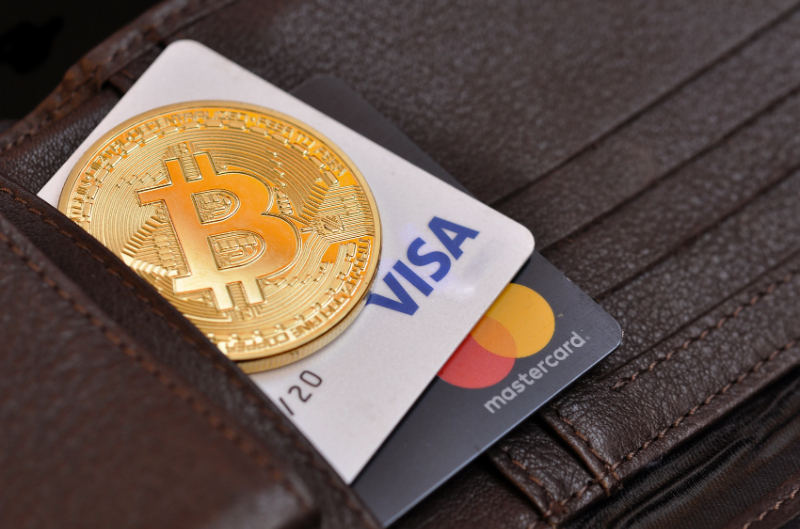
Optimize Transactions to Reduce Crypto Payment Gateway Fees
Reducing crypto payment gateway fees is not only about choosing the right gateway, but also about how you execute your transactions. By optimizing each step, you can lower direct costs and improve payment efficiency. Below are some important strategies:
Bundle multiple transactions into one
Instead of making many small transactions, combine multiple payments into a single larger transaction.
- Benefit: This reduces the total number of blockchain network fees you need to pay.
- Note: You should make sure the total amount and transaction requirements are appropriate to avoid risks when processing a large transaction.
See more: Understand How Crypto Payment Gateway Works for Safe Transactions
Choose tokens or coins with lower transaction fees
Not all cryptocurrencies have the same transaction costs.
- Example: USDT on the TRON or Solana network often has much lower fees than Ethereum or Bitcoin.
- Strategy: When making payments or transferring funds, consider using lower-fee tokens to save money over time.
Schedule transactions wisely
- Blockchain network fees fluctuate depending on congestion levels.
- Making transactions when the network is less busy can significantly reduce fees.
- Fee tracking tools can help you identify the best times to transact.
Use optimized wallets and payment gateways
- Some wallets and gateways allow users to customize gas fees or automatically optimize transaction costs, helping reduce expenses while still maintaining processing speed.
- Combining this strategy with the right token choice and timing can optimize your overall crypto payment costs.
By applying these strategies, you can not only reduce crypto payment gateway fees but also improve financial efficiency and save time in managing your payment operations.
Use Promotions and Incentive Programs Offered by the Gateway
In addition to optimizing transactions, you can also lower crypto payment gateway fees by taking advantage of promotions and incentive programs offered by payment gateways. This is a smart way to reduce costs while still maintaining security and transaction speed. Many gateways provide special benefits that can help both individuals and businesses save money over time.
Some common strategies include:
- Loyalty or rebate programs: Some gateways reduce fees when you maintain a certain transaction volume or use their native token for payments. This can be especially beneficial for users or businesses that process crypto payments regularly.
- Business and VIP pricing plans: Many payment gateways offer lower-fee plans for businesses, merchants, or high-volume users. These customized pricing packages can provide long-term savings and better value compared to standard transaction fees.
- Referral rewards and fee vouchers: Some platforms provide discount vouchers for first-time transactions or reward users through referral programs. By inviting others to join the platform, you may receive fee discounts, cashback, or special transaction incentives.
- Seasonal campaigns and limited-time promotions: Certain gateways occasionally launch promotional campaigns with reduced fees during special events, holidays, or product launches. Monitoring these offers can help you choose the most cost-effective time to transact.
- Partnership-based discounts: Some gateways work with wallets, exchanges, or blockchain networks to offer lower fees when you use partnered services. This can create additional opportunities to save on payment processing costs.
By using these programs wisely, you can reduce crypto payment gateway fees without affecting transaction speed, security, or convenience. Over time, combining these incentives with optimized transaction strategies can lead to significant cost savings for both personal and business crypto payments.

See more: How to integrate a crypto payment gateway into a website
Monitor and Manage Fees to Reduce Long-Term Costs
To reduce crypto payment gateway costs in a sustainable way, monitoring and managing transaction fees is essential. This not only helps you save money directly, but also improves overall financial efficiency for both individuals and businesses. Key steps you should take include:
- Detailed fee reporting: Use transaction tracking tools to analyze fees by token, transaction time, or transaction type. This helps you identify which payment methods are costing the most and where optimization is possible.
- Adjust your payment strategy: Based on the data collected, you can refine your approach by choosing lower-fee tokens, transacting at better times, or switching to a more cost-effective payment gateway.
- Review costs regularly: Consistent monitoring allows you to detect unreasonable fees early and make timely adjustments. Over time, this can prevent unnecessary expenses from accumulating.
- Compare gateway performance over time: Different payment gateways may offer varying fee structures depending on volume, token type, and supported networks. Tracking their performance regularly helps you identify which provider gives the best long-term value.
- Set internal cost benchmarks: For businesses, establishing target fee thresholds for different transaction types can make it easier to control spending and evaluate whether your current payment process is still efficient.
By applying these steps, you can not only reduce crypto payment gateway fees, but also improve financial management and optimize operating costs for the long term, whether for personal use or business operations.
Conclusion
Reducing crypto payment gateway fees helps save costs and optimize the transaction experience. To achieve the best results, you should understand why fees are high, choose low-fee tokens, optimize transactions, take advantage of gateway promotions, and monitor costs regularly. Applying these strategies today can help you control expenses and improve profitability for both individuals and businesses.