Choosing the best crypto payment gateway is a lot like choosing the right payment stack for global commerce: the wrong fit creates friction, but the right fit quietly improves conversion, settlement, and customer trust. That is why the answer is not a universal brand name. The best crypto payment gateway depends on your transaction volume, settlement preference, supported coins, compliance needs, and technical resources. In 2026, a few providers clearly stand out, but they win for different reasons. For most businesses, the smartest approach is to match the gateway to your operating model instead of chasing the loudest name in the market. Explore the details with XAIGATE in the article below.
The short answer: the best crypto payment gateway depends on your business model
A business that sells globally, needs many altcoins, and wants simple setup will not choose the same gateway as an enterprise focused on compliance and fiat settlement.
Best overall for flexibility: NOWPayments
For many merchants, NOWPayments is the strongest all-around option because it combines broad asset coverage with low base pricing and a non-custodial model. Its pricing page lists a 0.5% service fee for payments without exchange and highlights support for 350+ currencies. The platform also emphasizes fast average transaction processing and merchant control over funds, which matters for businesses that want crypto acceptance without handing over too much operational control.
That combination makes NOWPayments attractive for e-commerce stores, digital services, SaaS businesses, and merchants selling across multiple countries. It is especially useful when your audience expects more than just BTC and ETH. If your revenue depends on checkout flexibility and broad token support, NOWPayments is usually the first provider worth testing. Based on current official positioning and market fit, it is the closest thing to the best crypto payment gateway for general-purpose online businesses in 2026.
Best for enterprise structure: BitPay
BitPay remains one of the strongest options for established merchants that prioritize operational maturity, familiar merchant tooling, and structured payment workflows. Its business pages emphasize crypto invoicing, online checkout, ecommerce plugins, and merchant support for platforms such as Shopify, WooCommerce, and Magento. BitPay’s pricing is tiered by merchant volume rather than presented as a flat universal rate, which signals a more enterprise-oriented model.
BitPay is a good fit for larger businesses that want documented processes, predictable reporting, and a provider with a long merchant history. It is less compelling if your main goal is to support a huge range of altcoins at the lowest entry fee. But if you care more about stability, invoicing, and business-ready integrations than maximum token breadth, BitPay is still one of the safest picks on the market.
See more: Why Use a Crypto Payment Gateway: Key Advantages You Should Know
Best for regulated international commerce: CoinGate
CoinGate stands out for merchants that want a balance between crypto acceptance, payout flexibility, and a compliance-forward operating posture. Its pricing page shows a standard 1% merchant payment processing fee with no monthly fee on the standard plan. CoinGate also positions itself as a regulated gateway with the ability to accept crypto and settle into EUR, USD, or stablecoins, which is highly relevant for merchants that want to reduce exposure to price volatility.
This makes CoinGate particularly appealing for global sellers, EU-oriented businesses, and companies that want simpler treasury management after receiving crypto payments. It may not match NOWPayments on raw coin count, but it scores well on business usability. If your priority is not just accepting crypto, but also converting it into cleaner accounting and cash flow processes, CoinGate deserves serious consideration.

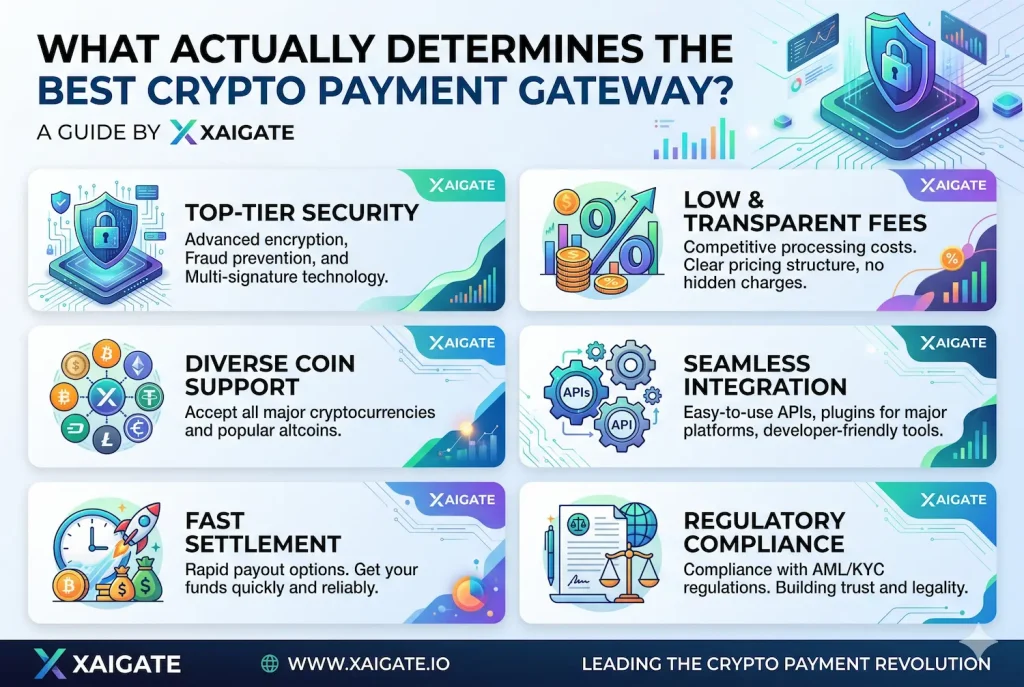
What actually determines the best crypto payment gateway
Merchants often compare brand names first, but the smarter method is to compare business requirements first. That is where the real decision gets made.
Supported coins and customer demand
Coin support matters because it directly affects conversion rate. If your customers mainly pay with BTC, ETH, and stablecoins, almost any major gateway can work. If your audience includes altcoin-heavy communities, gaming users, or international crypto-native buyers, narrow support can become a revenue bottleneck. NOWPayments emphasizes 350+ currencies, while BitPay has expanded to support 100+ cryptocurrencies for merchants, and CoinGate supports a more selective but still meaningful list of accepted assets and networks.
The practical lesson is simple: more coins are not always better, but insufficient coverage is a real problem. Businesses should map the top wallets and tokens used by their audience before choosing a provider. That approach is far more useful than relying on generic “top gateway” rankings.
Fees, settlement, and margin pressure
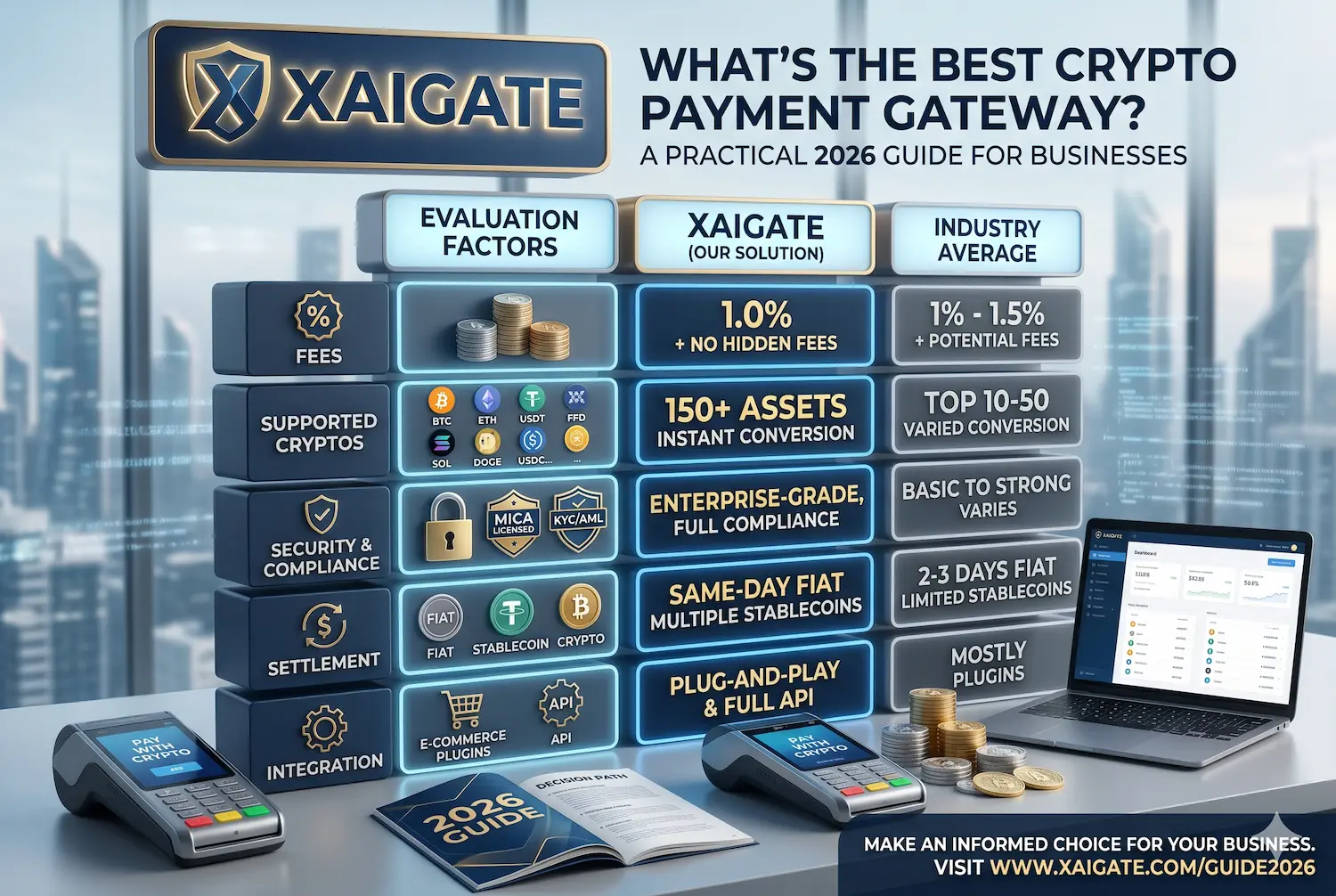
A gateway with a low advertised fee is not automatically the cheapest option in practice. The real cost includes payment processing, conversion fees, withdrawal costs, and settlement friction. NOWPayments advertises 0.5% for payments without exchange, CoinGate lists 1% merchant processing on its standard plan, and BitPay uses volume-based merchant pricing rather than one flat public fee across all cases.
For high-margin digital businesses, a 0.5% or 1% difference may be manageable. For lower-margin retail or high-volume businesses, those points compound fast. That is why the best crypto payment gateway is often the one that protects margin after settlement, not the one with the most attractive headline on a landing page.
Integration depth and technical workload
Setup complexity can erase the value of a gateway if implementation drags on or breaks the checkout flow. BitPay supports plugins for major e-commerce platforms and provides code libraries and APIs for custom builds. CoinGate promotes ready-made e-commerce plugins and API connectivity. NOWPayments also supports merchant integrations and is commonly used through plugins and API-based deployments.
Businesses should therefore assess not only whether a gateway “integrates,” but how deeply it integrates with their exact stack. A WooCommerce merchant, a Shopify brand, and a custom SaaS platform all face different implementation realities. The best crypto payment gateway is the one your team can deploy cleanly and maintain without constant engineering overhead.
See more: Why Businesses Should Use Crypto Payment Gateway: A Complete Guide for Companies
Best crypto payment gateway comparison table
A clear comparison helps narrow the field faster than abstract feature lists. The table below reflects current official and near-current provider information.

| Gateway | Pricing Signal | Coin Support | Settlement Strength | Best For |
| NOWPayments | 0.5% without exchange | 350+ currencies | Crypto-first, flexible | Altcoins, global e-commerce, digital businesses |
| BitPay | Tiered merchant pricing | 100+ cryptos for merchants | Strong invoicing and business tooling | Enterprises, established merchants |
| CoinGate | 1% merchant processing | Multi-asset support | EUR/USD/stablecoin settlement | Regulated global commerce |
| BTCPay Server | 0% software fee, self-hosted | Bitcoin, Lightning, plus direct altcoin options | Full control, no intermediary | Technical teams, sovereignty-first merchants |
Final recommendation for merchants evaluating gateways
If you are choosing from scratch, start with three filters: the coins your customers actually use, the settlement flow your finance team needs, and the integration model your developers can support. That process usually eliminates weak fits fast. In many cases, the winner is not the biggest brand. It is the provider that reduces friction from checkout to reconciliation.
For daily updates, subscribe to XAIGATE’s blog!
We may also be found on GitHub, and X (@mxaigate)!
FAQs – What’s the Best Crypto Payment Gateway?
1. What is the best crypto payment gateway?
The best gateway depends on fees, coins, settlement, and integration needs.
2. What should merchants compare first?
Compare fees, supported coins, stablecoins, APIs, plugins, and settlement.
3. Is the cheapest crypto gateway best?
No, low fees may hide limits in support, payouts, or conversion.
4. Why do stablecoins matter?
Stablecoins help reduce crypto price volatility.
5. Should merchants accept Bitcoin only?
No, many customers prefer stablecoins and major altcoins.
6. Do crypto gateways reduce chargebacks?
Yes, confirmed blockchain payments are generally irreversible.
7. Are plugins important?
Yes, plugins make ecommerce integration faster.
8. Do APIs matter?
Yes, APIs support custom checkout and automated workflows.
9. Is XAIGATE a good crypto gateway?
Yes, XAIGATE supports crypto checkout, APIs, plugins, and merchant tools.
10. What is the best first step?
Choose based on business model, checkout flow, fees, and settlement needs.