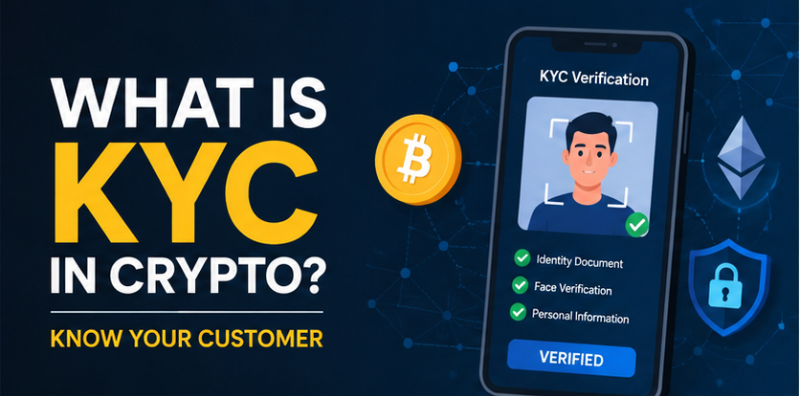
As the cryptocurrency market continues to grow, KYC (Know Your Customer) has become an essential requirement on most crypto exchanges. However, not every investor fully understands what KYC is in crypto or why identity verification is necessary. In this article, XAIGATE will help you understand the concept of KYC in the crypto industry, how the process works, and its role in ensuring security and regulatory compliance in cryptocurrency transactions.
How KYC Works in Crypto
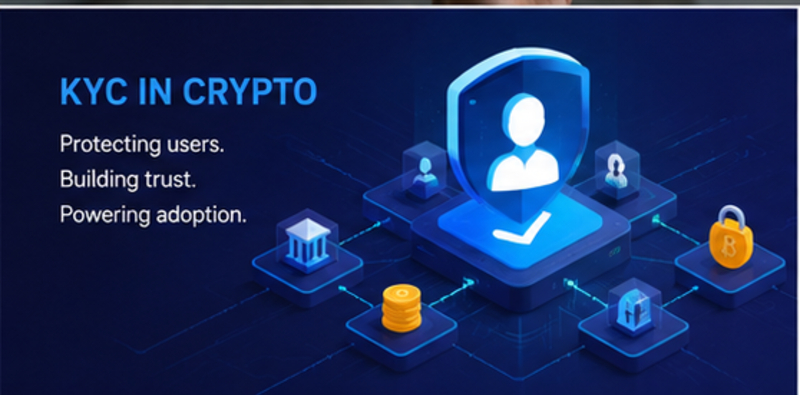
KYC (Know Your Customer) is an identity verification process used by cryptocurrency exchanges to confirm that users are real and identifiable individuals. By collecting and verifying user information, crypto platforms can reduce the risks of fraud, money laundering, identity theft, and other illegal activities while complying with financial regulations.
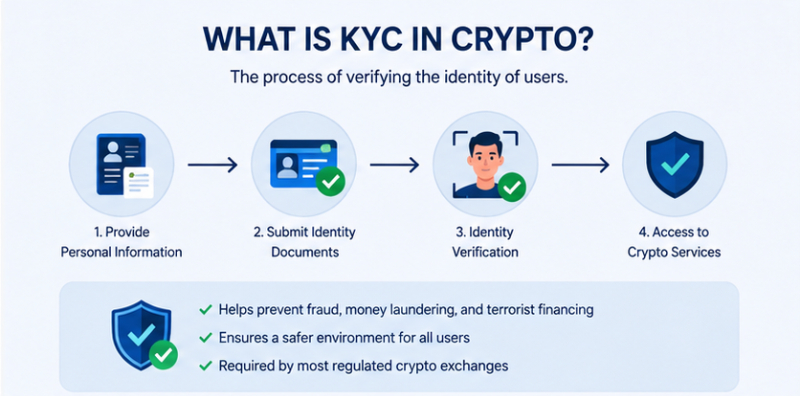
The KYC process in crypto typically includes the following steps:
- User registration: The user creates an account on a cryptocurrency exchange or trading platform.
- Personal information submission: The user provides basic information, including their full name, date of birth, residential address, and contact details.
- Identity document verification: The platform asks the user to upload a valid government-issued document, such as a passport, national identity card, or driver’s license.
- Facial verification: Some exchanges require a selfie or live video verification to confirm that the person opening the account matches the identity document provided.
- Review and approval: The exchange reviews the submitted information and documents. Once the verification is approved, the user can access additional features, such as higher trading limits, deposits, and withdrawals.
Overall, KYC helps crypto exchanges maintain a safer and more transparent trading environment by ensuring that every verified account is linked to a legitimate individual.
Benefits of KYC for Users and Crypto Exchanges
KYC offers important benefits to both cryptocurrency users and trading platforms. By verifying user identities, exchanges can create a safer, more transparent, and more trustworthy environment while meeting regulatory requirements.
Benefits of KYC for Users
For individual users, KYC can improve account protection and provide access to a broader range of services. Although the verification process may require personal documents, it can help reduce several risks associated with crypto trading.
The main benefits for users include:
- Increased account security: Identity verification can make it more difficult for unauthorized individuals to take control of an account.
- Access to full platform features: Verified users can often access higher trading and withdrawal limits, fiat payment services, staking, lending, and other advanced products.
- Better protection against fraud: KYC helps reduce identity theft, impersonation, and the creation of fraudulent accounts.
- Improved account recovery: Verified users may have a stronger chance of recovering their accounts if they lose access or experience suspicious activity.
- Greater confidence in the platform: Using an exchange with clear verification procedures can provide users with greater assurance that the platform follows established compliance standards.
Overall, KYC gives users greater access, stronger protection, and a more secure trading experience.
See more: How USDT Payment Gateway Works and Its Benefits in Digital Payments
Benefits of KYC for Crypto Exchanges
For cryptocurrency exchanges, KYC is an essential part of risk management and regulatory compliance. It allows platforms to understand who their customers are and identify potentially suspicious activity.
The main benefits for exchanges include:
- Regulatory compliance: KYC helps exchanges follow applicable financial laws, anti-money laundering rules, and customer identification requirements.
- Reduced illegal activity: Identity verification makes it more difficult to use exchange accounts for money laundering, terrorist financing, fraud, or other unlawful activities.
- Improved risk management: Exchanges can assess users more effectively and monitor transactions that may require additional review.
- Enhanced trust and reputation: Platforms with strong KYC procedures are often viewed as more credible by users, banks, business partners, and regulators.
- Better access to financial services: Compliance with KYC standards may help exchanges build relationships with payment providers, banks, and other regulated institutions.
By implementing effective KYC procedures, crypto exchanges can reduce legal and operational risks while building a more reliable platform.
Overall, KYC strengthens the integrity of the cryptocurrency market by improving user protection, supporting regulatory compliance, and reducing the risk of illegal financial activity.
Popular Crypto Exchanges That Require KYC
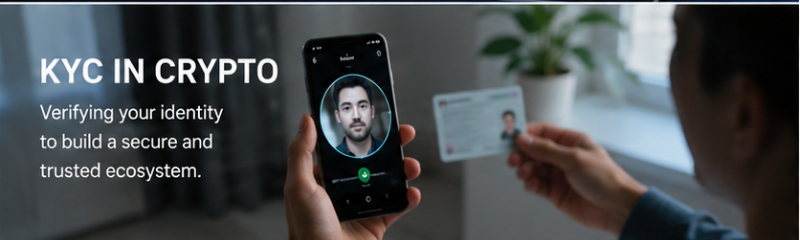
Most major cryptocurrency exchanges require users to complete KYC verification before they can access all trading, deposit, and withdrawal services. These requirements help exchanges comply with financial regulations, reduce illegal activity, and provide a more secure environment for users.
Binance
Binance requires identity verification for users who want to access most of its core services and higher account limits. The exact requirements may vary depending on the user’s country or region.
KYC verification on Binance may be required for:
- Cryptocurrency deposits and withdrawals
- Fiat currency deposits and purchases
- Higher transaction and withdrawal limits
- Advanced trading and financial services
- Access to certain regional products
Completing KYC allows users to access more Binance features while improving account security.
Coinbase
Coinbase requires users to verify their identity before buying, selling, or withdrawing cryptocurrencies. As a regulated exchange, it follows strict compliance procedures in the jurisdictions where it operates.
Users may need to provide:
- Their full legal name
- Date of birth
- Residential address
- A government-issued identity document
- A selfie or additional verification information
Once verification is completed, users can access Coinbase’s main trading and payment services.
Kraken
Kraken uses different verification levels based on the services and transaction limits a user wants to access. Basic personal information may be sufficient for limited features, while full verification is required for broader account functionality.
The verification process may include:
- Personal and contact information
- Proof of identity
- Proof of residential address
- Additional financial information
- Facial verification in certain cases
Higher verification levels generally provide access to larger limits and additional funding options.

KuCoin
KuCoin may allow limited account access without full identity verification, but KYC is required for many important features and higher transaction limits.
Verified users may receive:
- Higher daily withdrawal limits
- Access to fiat payment services
- Improved account recovery options
- Participation in certain promotions
- Access to additional trading features
Therefore, users who want to use KuCoin without major restrictions will generally need to complete KYC.
See more: Crypto Payments for Small Businesses: A Step-by-Step Setup Guide
OKX
OKX requires identity verification for users who want full access to its trading and withdrawal services. The platform may offer different KYC levels depending on the user’s account activity.
The KYC process may require:
- Basic personal information
- A passport, identity card, or driver’s license
- Facial recognition or a selfie
- Proof of address for advanced verification
- Additional documents in certain jurisdictions
Completing verification helps users unlock higher limits and a wider range of OKX services.
Bybit
Bybit requires KYC for access to higher withdrawal limits, fiat services, and the platform’s complete range of features. Non-verified accounts may face significant restrictions.
KYC may be necessary for:
- Increasing withdrawal limits
- Purchasing crypto with fiat currency
- Accessing certain promotions or rewards
- Using specific financial products
- Improving account security and recovery
Verified users can generally access more services and operate with fewer account limitations.
Overall, exchanges such as Binance, Coinbase, Kraken, KuCoin, OKX, and Bybit implement KYC to meet regulatory obligations and protect their users. However, verification rules, limits, and document requirements may differ depending on the platform and the user’s location.
Can You Trade Crypto Without KYC?
Yes, it is still possible to trade cryptocurrencies without completing KYC verification. However, non-KYC trading often comes with significant restrictions and may provide less security and regulatory protection than trading through a verified account.
Common ways to trade crypto without KYC include:
- Using decentralized exchanges: Many decentralized exchanges, or DEXs, allow users to connect a crypto wallet and trade directly without submitting personal information.
- Using limited exchange accounts: Some centralized exchanges allow users to access basic trading functions without KYC, although these accounts usually have strict limits.
- Trading with reduced withdrawal limits: Non-verified users may be allowed to withdraw only small amounts within a specific period.
- Accessing fewer platform features: Services such as fiat deposits, bank withdrawals, higher trading limits, or advanced financial products may require identity verification.
Trading without KYC may also involve several risks, including:
- Lower regulatory protection
- Greater exposure to scams and fraudulent platforms
- Limited access to fiat currency transactions
- Restricted customer support or account recovery options
As cryptocurrency regulations become stricter worldwide, an increasing number of exchanges are introducing mandatory KYC requirements. Therefore, users should carefully evaluate the legal, financial, and security risks before choosing a non-KYC trading platform.
Conclusion
KYC plays an essential role in making the crypto industry safer, more transparent, and more compliant with global regulations. While it may seem like an extra step, it significantly improves trust and security for both users and exchanges.
Before choosing a platform, always consider whether it follows proper KYC procedures and offers strong data protection policies. Explore reputable crypto exchanges today and trade safely with full awareness of KYC requirements.