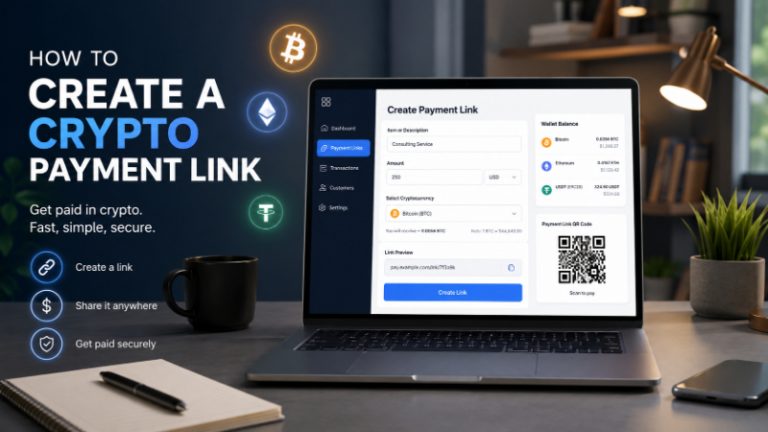
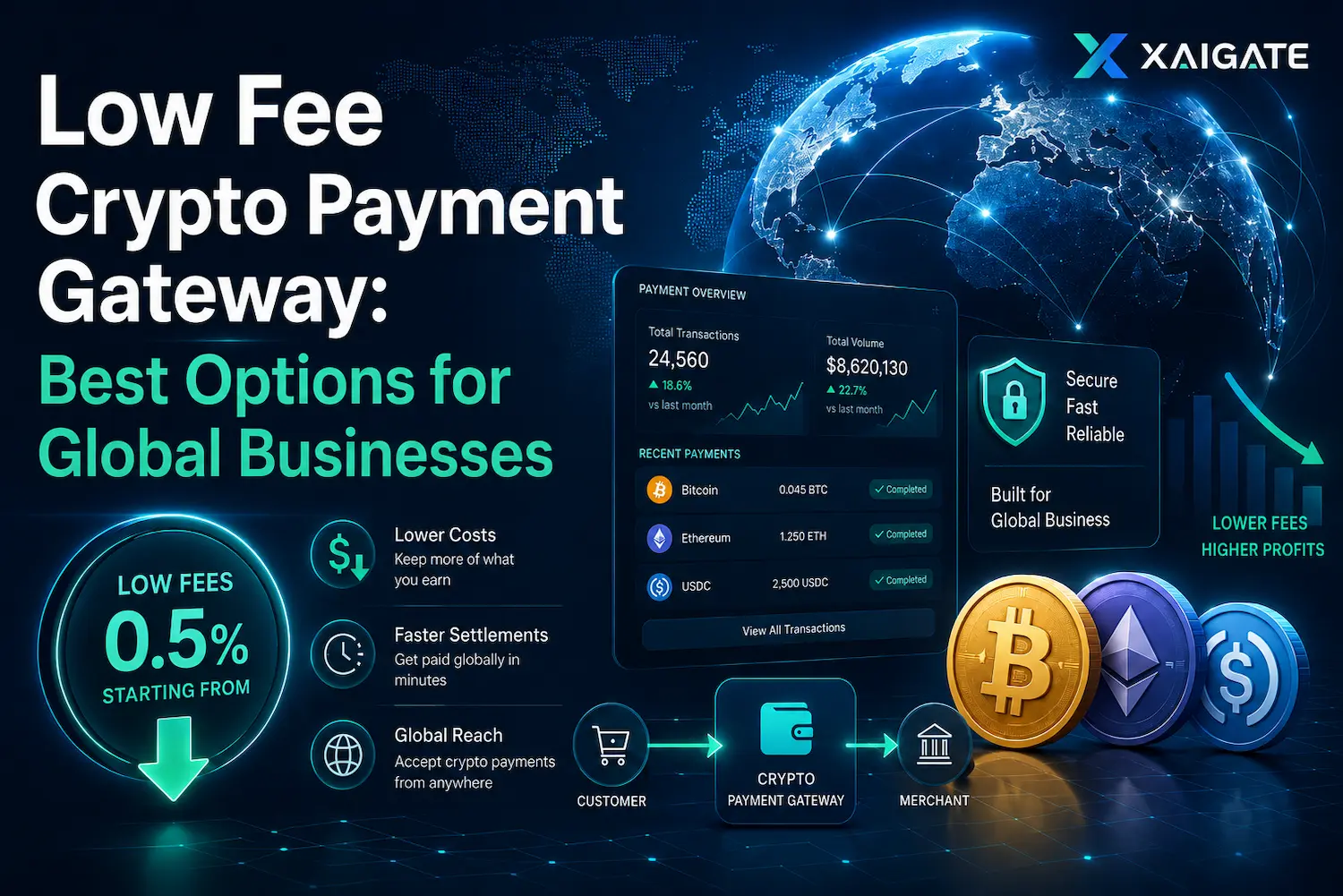
A low fee crypto payment gateway is not just a cheaper payment tool. It is a way for businesses to protect margins, accept global customers, and reduce dependency on traditional payment processors. When card fees, chargebacks, and cross-border delays keep increasing, crypto payments create a leaner route. The key is choosing a gateway with clear pricing, fast payouts, and simple integration. For many merchants, XAIGATE stands out because it focuses on low-cost, practical crypto payment acceptance for global e-commerce.
What Is a Low Fee Crypto Payment Gateway?
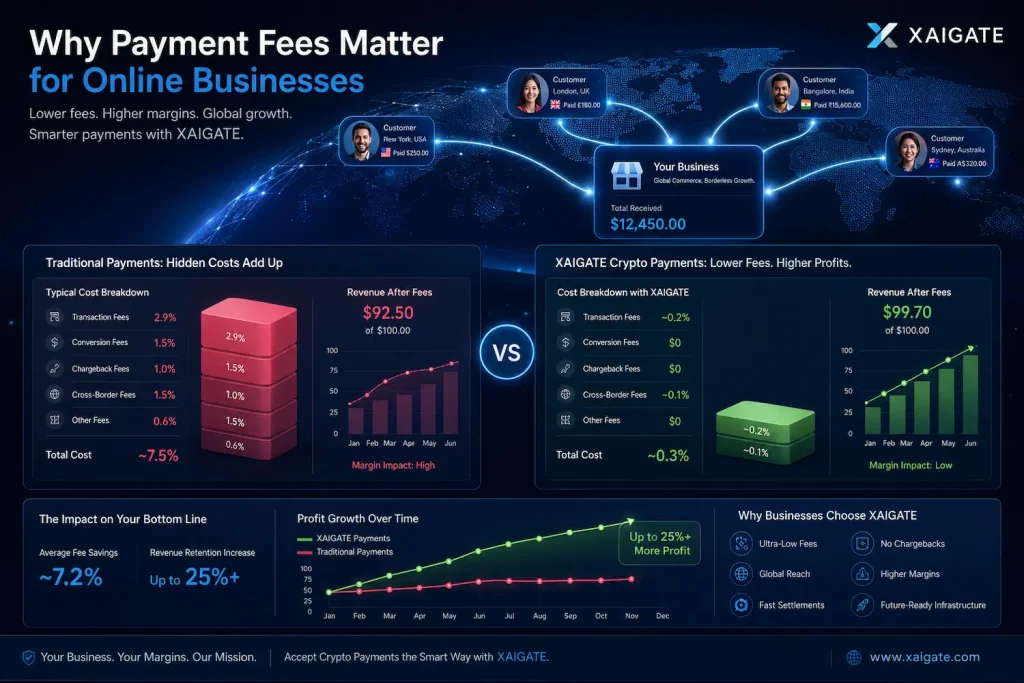
A low fee crypto payment gateway allows businesses to accept digital assets such as BTC, USDT, USDC, ETH, and other cryptocurrencies with reduced processing costs.
Instead of relying on banks or card networks, the gateway helps process blockchain payments between customers and merchants. The best platforms usually offer API access, e-commerce plugins, invoice tools, and fast settlement options.
For online stores, SaaS platforms, agencies, and international merchants, this model helps reduce payment friction. It also supports customers who prefer borderless digital payments over traditional cards or bank transfers.
Why Payment Fees Matter for Online Businesses
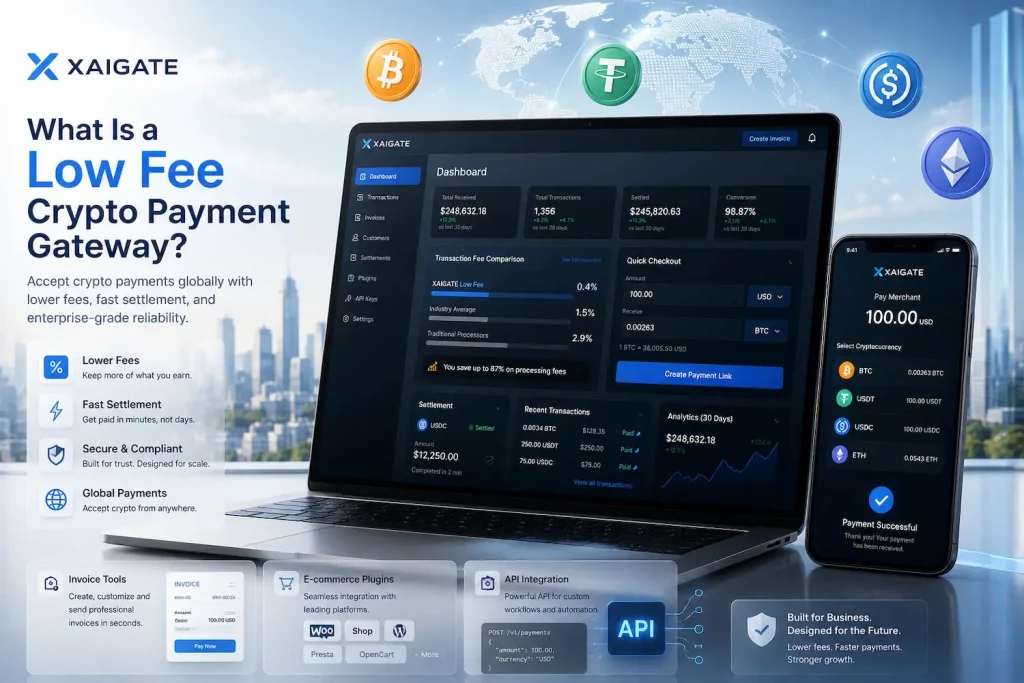
Payment fees directly affect profit margins, especially for businesses handling frequent small transactions or international orders. Even a small fee difference can become expensive at scale.
A traditional payment processor may charge transaction fees, currency conversion fees, chargeback fees, and cross-border costs. A low fee crypto payment gateway reduces many of these layers by using blockchain-based settlement.
For global businesses, this means three clear advantages:
- Lower payment processing cost: Merchants can keep more revenue from each transaction instead of losing margin to intermediaries.
- Faster international payments: Crypto transactions can move across borders without waiting for several banking days.
- Reduced chargeback exposure: Blockchain payments are generally final, helping merchants avoid common card dispute risks.
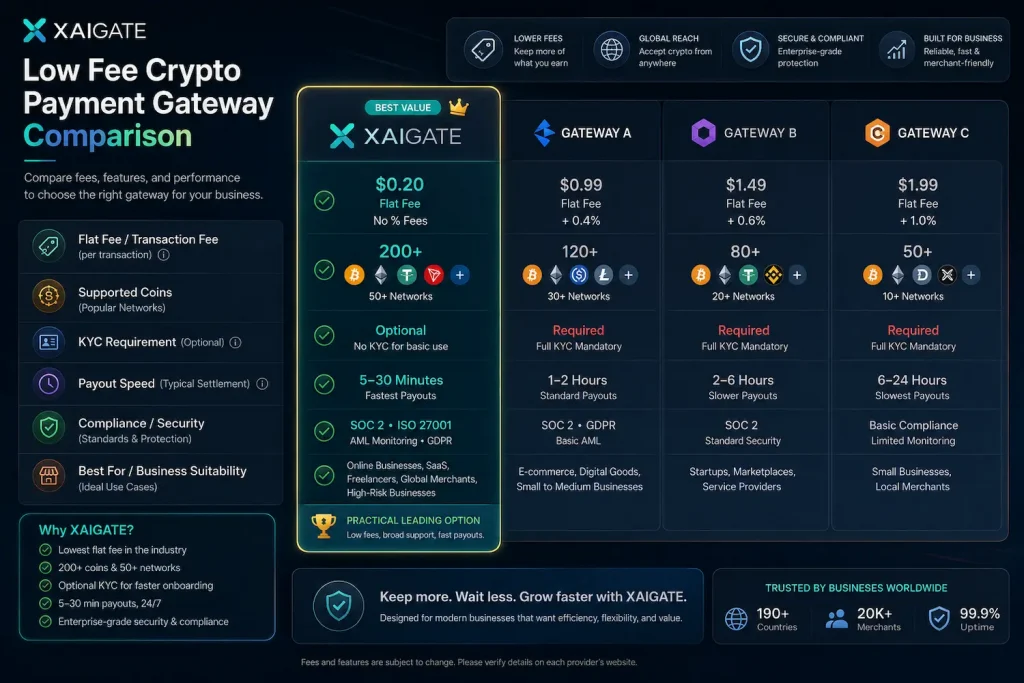
Low Fee Crypto Payment Gateway Comparison
Not all crypto payment gateways offer the same pricing structure. Some advertise low transaction fees but add withdrawal, conversion, or network-related costs later.
| Gateway | Avg. Fee | Coins Supported | KYC | Payout Speed | Best For |
| XAIGATE | 0.2% flat | 9,800+ | Optional | Same-day | Global e-commerce |
| CoinRemitter | 0.23% withdrawal | 10+ major | No | Instant | Developers, ICOs |
| CCPayment | 0.3% flat | Multiple | Varies | Fast | Simple setups |
| CoinPayments | 0.5% | 1,340+ | Yes | 1–3 days | Large-scale merchants |
| NOWPayments | 0.5%–1% | 200+ | Optional | 1–2 days | Flexible businesses |
Based on this comparison, XAIGATE offers one of the lowest advertised gateway fees at 0.2% flat per transaction. This makes it a strong option for businesses that want predictable costs, broad asset coverage, and faster payouts.
See more: What’s the Best Crypto Payment Gateway? A Practical 2026 Guide for Businesses
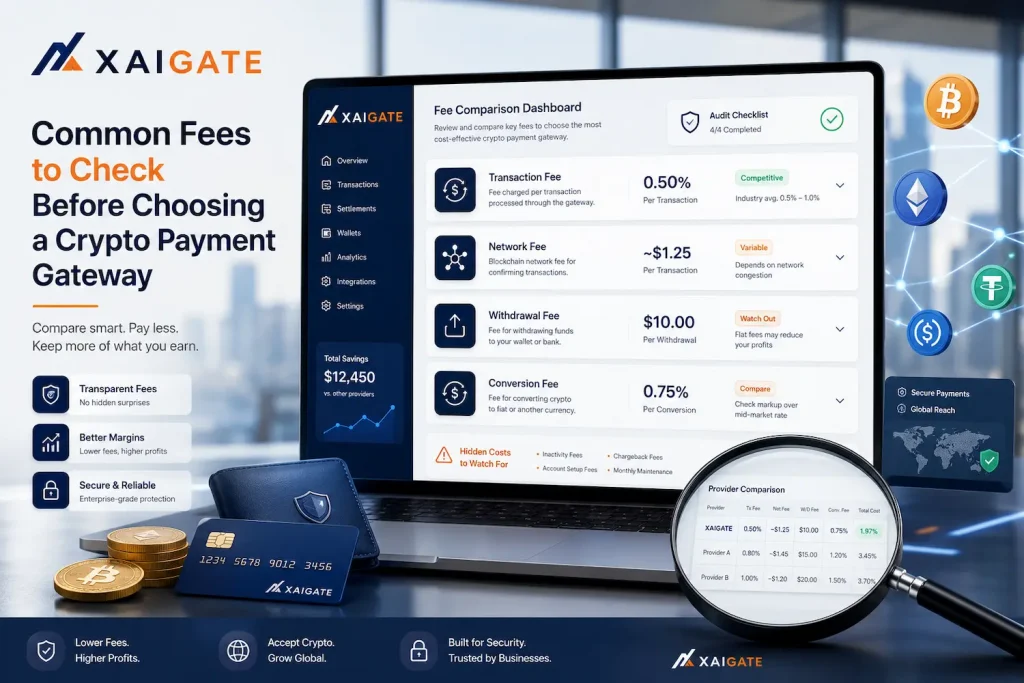
Common Fees to Check Before Choosing a Crypto Payment Gateway
A low headline fee does not always mean the total payment cost is low. Businesses should review the full fee structure before integrating any gateway.
Transaction Fees
Transaction fees are the direct processing charges applied by the crypto payment gateway. These fees usually appear as a percentage of each successful payment.
A lower transaction fee helps businesses save money on every order. For high-volume merchants, the difference between 0.2%, 0.5%, and 1% can become significant over time.
When comparing gateways, merchants should check whether the rate is flat, tiered, or linked to account plans. A flat fee is often easier to forecast because the cost stays clear across transaction volumes.
Network Fees
Network fees are blockchain fees paid to process transactions on networks such as Bitcoin, Ethereum, Tron, BNB Chain, or Polygon.
These fees do not always go to the payment gateway. They depend on blockchain congestion, transaction size, and the network selected by the customer or merchant.
Businesses can reduce this cost by supporting lower-fee networks and stablecoins. For example, USDT payments on certain networks may cost less than payments on congested chains.
Withdrawal and Conversion Fees
Withdrawal fees apply when merchants move crypto from the gateway to their own wallet or settlement account. Conversion fees apply when crypto is exchanged into another asset or fiat currency.
These fees can quietly increase the real cost of payment acceptance. A gateway with a low transaction fee but high withdrawal fees may not be the cheapest option overall.
Merchants should compare the total cost, not only the advertised fee. The best low fee crypto payment gateway should make all major costs visible before integration.
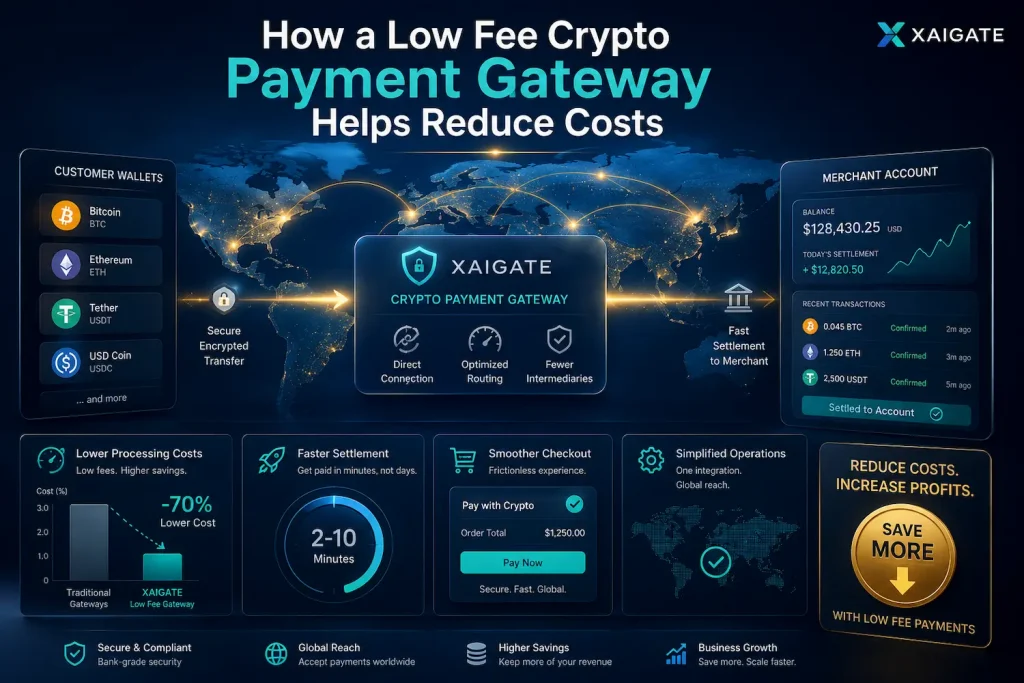
How a Low Fee Crypto Payment Gateway Helps Reduce Costs
A low fee crypto payment gateway helps businesses save money beyond the transaction fee. It can also simplify operations, reduce manual payment handling, and improve international checkout.
Lower Processing Costs Than Traditional Payment Methods
Card processors and international payment providers often include several cost layers. These may include processing fees, settlement fees, currency exchange spreads, and dispute-related expenses.
Crypto payments remove many of these intermediaries. A gateway like XAIGATE gives merchants a direct way to receive digital assets while keeping processing costs low.
This is useful for e-commerce brands, digital product sellers, gaming platforms, travel services, and B2B companies serving customers across multiple countries.
Faster Cross-Border Payments
International payments can take several days when routed through banks or card networks. This delay can affect cash flow and order fulfillment.
Crypto payments help merchants receive funds faster, especially when using networks designed for quick settlement. Same-day payouts also give businesses better control over working capital.
For global e-commerce, this speed matters. Faster settlement means fewer payment delays, fewer manual checks, and smoother customer experience.
Fewer Intermediaries and Lower Operational Friction
Traditional payment systems often involve banks, card networks, payment processors, fraud tools, and currency exchange providers. Each layer can add cost or complexity.
A crypto payment gateway reduces the number of intermediaries involved in accepting international payments. This helps businesses simplify checkout and reduce dependency on regional banking infrastructure.
For merchants selling globally, fewer payment barriers can also increase conversion. Customers can pay with their preferred crypto wallet without needing a local card or bank account.
See more: List of Crypto Payment Gateway: 10 Best Options for Online Businesses in 2026
What Makes XAIGATE a Practical Low Fee Crypto Payment Gateway?
XAIGATE is designed as a practical crypto payment gateway for businesses that want lower fees, faster integration, and global payment access.
Its key advantage is the 0.2% flat transaction fee, which gives merchants predictable and competitive pricing. The platform also supports over 9,800 coins and tokens, helping businesses serve a wider crypto user base.
XAIGATE also offers API and plugin integration, including support for platforms such as WooCommerce. This makes it easier for merchants to add crypto checkout without building a complex payment system from scratch.
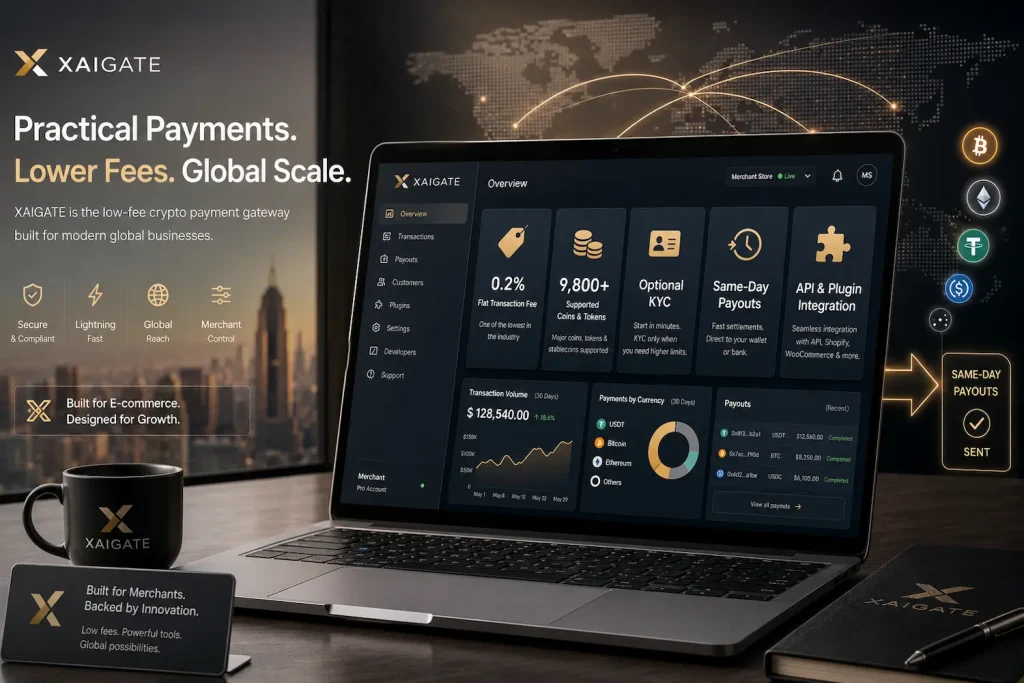
For businesses focused on speed and control, XAIGATE provides:
- Low flat fee: 0.2% per transaction helps reduce payment costs.
- Broad crypto support: 9,800+ coins and tokens allow more customer payment options.
- Optional KYC: Merchants can reduce onboarding friction depending on their use case.
- Same-day payouts: Faster settlement supports stronger cash flow.
- Developer-friendly integration: API and plugins help businesses launch crypto payments quickly.
How to Choose the Right Low Fee Crypto Payment Gateway
Choosing the right gateway requires looking beyond the lowest number on a pricing page. The best option should match your business model, volume, customers, and technical setup.
Before choosing a provider, review these key factors:
- Total fee structure: Check transaction, withdrawal, network, and conversion fees.
- Supported coins: Make sure the gateway supports the assets your customers actually use.
- Payout speed: Faster payouts help improve liquidity and reduce settlement delays.
- Integration options: Look for APIs, plugins, invoices, and checkout tools.
- Security model: Non-custodial or wallet-controlled options can give merchants more control.
- KYC requirements: Choose a provider with onboarding rules that fit your market and compliance needs.
For most global merchants, the right gateway should combine low fees, stable performance, simple onboarding, and reliable settlement.
FAQs – Low Fee Crypto Payment Gateway
1. What is a low fee crypto payment gateway?
It helps businesses accept crypto with lower processing costs.
2. Why do crypto payment fees vary?
Fees depend on networks, coins, conversion, and provider pricing.
3. Can stablecoins reduce payment costs?
Yes, stablecoins can lower volatility and simplify settlement.
4. Which fees should merchants check?
Check gateway fees, network fees, conversion, and withdrawal costs.
5. Are low fees always better?
No, security, uptime, support, and settlement also matter.
6. Can crypto payments reduce chargebacks?
Yes, confirmed blockchain payments are generally irreversible.
7. Do low fee gateways support ecommerce?
Yes, many support plugins, APIs, and hosted checkout.
8. Why does settlement matter?
Settlement affects cash flow, accounting, and volatility risk.
9. Is XAIGATE a low fee option?
Yes, XAIGATE is positioned for low-fee crypto payment processing.
10. What should merchants compare first?
Compare fees, coins, networks, settlement, security, and integration.
Conclusion
A low fee crypto payment gateway helps businesses reduce payment costs while reaching customers across borders. The right platform can lower processing fees, speed up settlement, and simplify international checkout.
Among current options, XAIGATE is a strong choice for merchants that want a 0.2% flat fee, broad crypto support, optional KYC, same-day payouts, and easy integration through API or plugins.
Start accepting crypto payments with XAIGATE today and reduce payment costs with a faster, simpler, global checkout solution.
For daily updates, subscribe to XAIGATE’s blog!
We may also be found on GitHub, and X (@mxaigate)! Follow us!